
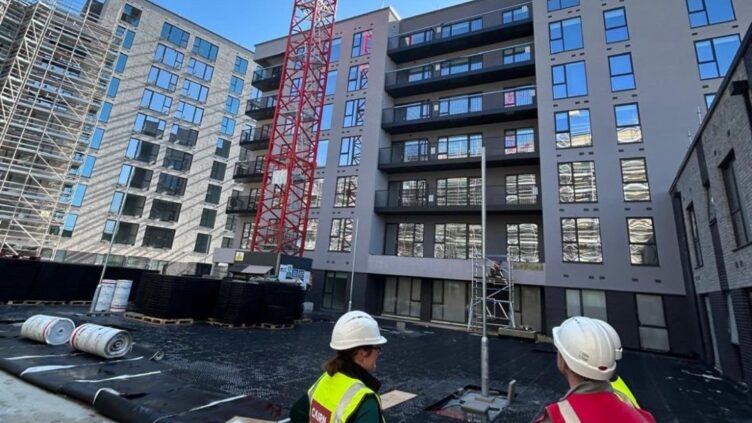
Ireland’s construction sector remains central to delivering national priorities, from housing supply to major infrastructure and commercial projects. While activity levels continue to increase, many developments are encountering early-stage challenges linked to delays in securing the right white-collar professionals. Industry estimates suggest that delays on a typical Irish residential project can cost in the region of €4,129 per day, reflecting lost productivity and potential penalties, as highlighted by the Construction Industry Federation.
Key roles such as Project Managers, Quantity Surveyors, Site Engineers and Health and Safety professionals are essential to maintaining progress and controlling costs. When these positions remain unfilled, the impact can be substantial. Projects affected by staffing shortages can experience cost increases in excess of 10%, with some estimates ranging between 10% and 20% when combined with inflationary pressures and contractor availability, as noted in reports such as the AECOM Ireland Construction Market Review 2023.
The Cost of Waiting
In a fast-paced construction environment, delays in hiring critical staff can quickly affect multiple stages of a project. Without key professionals in place from the outset, essential activities such as planning, procurement and site mobilisation can fall behind schedule.
These delays often result in missed milestones, increased workload for existing teams and rising overall costs. In certain cases, contractor scheduling and utility approvals may also be impacted, adding further complexity. Failing to secure the right talent at the right time increases the likelihood of projects exceeding budgets and timelines, a risk that is particularly significant given current housing demands.
Why the Right Hire Matters Just as Much as a Fast One
While speed is an important factor, the quality of the hire is equally critical. Appointing individuals without the necessary local experience or sector knowledge can lead to errors, rework and challenges in stakeholder management, particularly when engaging with Irish planning authorities and utility providers.
This is why many employers prioritise candidates with recent experience on Irish residential developments. These professionals are familiar with local processes and are better equipped to manage the complexities of large-scale projects, often exceeding 100 units. However, the availability of this level of experience is limited, and demand remains high. Organisations that delay decision-making or extend hiring timelines frequently lose strong candidates to competitors.
What Needs to Change:
Construction companies need to approach recruitment with the same level of planning and urgency as any other stage of project delivery. This includes streamlining hiring processes, making timely decisions and working with recruitment partners who understand the realities of the sector.
Developing a long-term hiring strategy is equally important. Investment in training, the introduction of flexible working arrangements where possible, and clearly defined career progression pathways can all support talent attraction and retention. In a competitive market, a strong employer brand is increasingly important and can influence candidate decisions as much as salary levels.
At Strive Search, we work closely with construction companies to deliver recruitment solutions that are both efficient and effective, ensuring the right professionals are secured at the right time to support successful project delivery.