
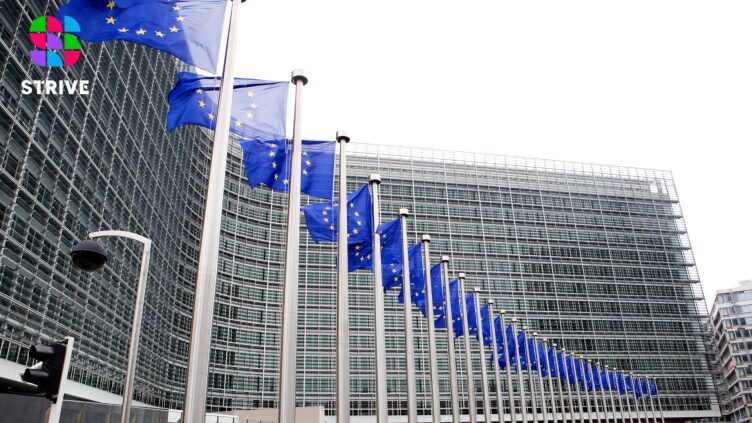
A major change is approaching for hiring practices across Ireland and the wider European market. The EU Pay Transparency Directive, which EU member states were expected to bring into national legislation by June 2026, represents one of the most significant updates to employment standards in recent years. Whether you are growing your team or considering your next career move, it is important to understand how these developments will shape the hiring landscape. In Ireland, employers will not face penalties for not having every element in place by the June 2026 deadline. The Department of Equality has confirmed that legislation is still being finalised and that full implementation will take place on a phased basis. While the timeline may be extended, the changes themselves are certain and worth preparing for now.
For Employers:
The Directive introduces a range of clear obligations for organisations operating within the EU. Employers will be required to provide defined salary ranges within job advertisements, meaning phrases such as competitive salary or salary negotiable will no longer be acceptable. Current employees will also gain stronger rights to access information on average pay levels across similar roles, with data broken down by gender. In addition, organisations with more than 100 employees will be expected to publish gender pay gap reports. A key shift within the legislation is that responsibility in pay discrimination cases will move to the employer, who must be able to demonstrate that pay decisions are fair and justified. Another important change is that employers will no longer be permitted to ask candidates about their existing salary. Offers will need to be based on the role itself and current market conditions rather than previous earnings. This makes it essential for businesses to review their pay structures, carry out internal audits, and ensure that salary frameworks are consistent and well documented. Rather than viewing this as a compliance requirement alone, it should be seen as an opportunity to build a more open and credible employer brand.
For Job Seekers:
For those exploring new opportunities, this Directive brings a more transparent and balanced hiring experience. Candidates will have the right to see salary ranges before applying for a role, removing a common area of uncertainty in the recruitment process. There will also be greater access to information on how pay compares across similar positions within an organisation, making it easier to recognise and address any potential gaps. In addition, employers will no longer be allowed to request details of your current salary. This allows candidates to focus on the value of the role and their own experience rather than being tied to previous earnings. While this creates a more level playing field, it remains important to have a clear understanding of your market value and to approach discussions with realistic expectations. The overall outcome is a more open process, where salary conversations are based on clear information rather than guesswork.
How Strive Search Can Help:
At STRIVE Search, we have always placed a strong emphasis on transparency within the recruitment process, and the introduction of the EU Pay Transparency Directive reflects the approach we already take with clients and candidates. For employers, we support the development of clear and competitive salary structures, along with job briefs that align with both market expectations and upcoming requirements. For job seekers, we provide guidance and clarity around salary levels, ensuring you enter each process with a full understanding of where you stand. While the timeline for full implementation in Ireland is still evolving, the direction is clear. If you are looking for support in adapting your hiring strategy or considering your next career move, our team is here to help.